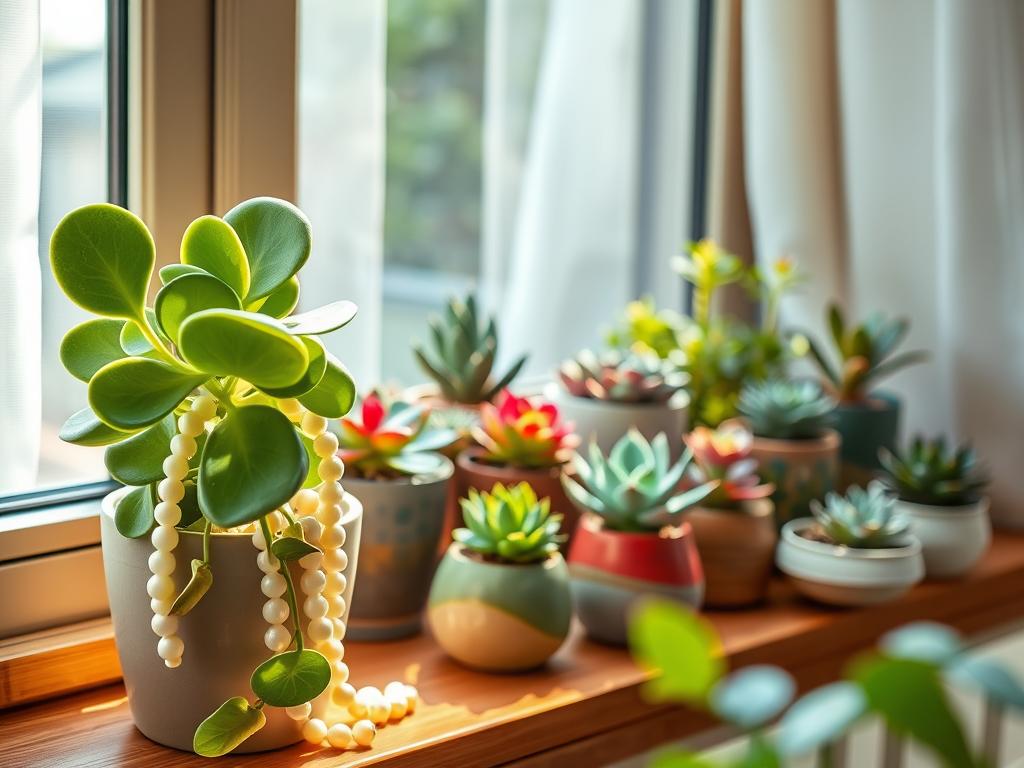
Bringing the outdoors in, indoor succulents are a hit for homeowners. They’re great for those who are always busy or new to plants.
These plants do more than look good. They clean the air and add beauty to your space. With so many types to choose from, you can find the perfect ones to match your home. This article will guide you on how to care for them.
Key Takeaways
- Discover the benefits of having indoor succulents in your home.
- Learn about different types of succulents suitable for indoor spaces.
- Understand the basics of caring for your indoor succulents.
- Explore tips for maintaining healthy and thriving succulents.
- Find out how to choose the right succulents for your home decor.
Why Succulents Make Perfect Indoor Plants
Succulents are loved for their unique look and easy care. They bring many benefits to indoor gardening. This makes them a great choice for anyone looking to add plants to their home.
Benefits of Growing Succulents Indoors
Indoor succulents offer many advantages. They purify the air and make rooms look better. Plus, they are low-maintenance plants that do well indoors with the right care. Here are some key benefits:
- They can handle forgetting to water them sometimes.
- Succulents come in many shapes, sizes, and colors, making them versatile in decor.
- They can help reduce stress and improve mental well-being.
What Makes Succulents Different from Other Houseplants
Succulents store water in their leaves, stems, or roots. This lets them survive in dry places, perfect for indoor spaces. Their unique water-storing capability and varied shapes and sizes make them stand out.
For more info on the best indoor succulents, check out https://www.typesofXYZ.com. They have lots of info on succulents and how to care for them.
Understanding Indoor Succulent Requirements
To keep succulents thriving indoors, it’s crucial to understand their specific needs. Indoor succulents require a tailored environment that caters to their unique characteristics.
Light Conditions for Indoor Succulents
Most succulents need bright, indirect light to photosynthesize and grow. But, some varieties can handle low light. For example, Haworthia and Snake Plant do well in low-light environments. It’s important to research the specific lighting needs of your succulent variety to ensure optimal growth.
- Bright, indirect light for most succulent varieties
- Low light tolerance for certain species like Haworthia
Temperature and Humidity Considerations
Succulents generally prefer daytime temperatures between 65-75°F (18-24°C) and nighttime temperatures around 55-65°F (13-18°C). Humidity levels should be relatively low, as high humidity can lead to root rot. Maintaining good air circulation around your succulents can help prevent moisture buildup.
Space and Container Requirements
Choosing the right container is vital for indoor succulents. The container should have good drainage holes to prevent waterlogged soil. Succulents also need sufficient space to grow; overcrowding can lead to reduced air circulation and increased risk of pests.
By understanding and meeting these requirements, you can create an ideal environment for your indoor succulents to thrive.
Types of Succulents for Indoors: Low-Light Varieties
Not all succulents need direct sunlight. Some can grow well in low light, perfect for indoor spaces. If you want greenery but have little natural light, there are many low-maintenance succulents to choose from.
Haworthia (Haworthia spp.)
Haworthia is a small, succulent plant great for indoor containers. They have striking foliage and can thrive in low light. Popular species include Haworthia fasciata and Haworthia retusa. These plants are small, ideal for small pots or arrangements.
Snake Plant (Sansevieria trifasciata)
The Snake Plant is known for purifying the air and growing in low light. It’s a low-maintenance succulent that can grow tall. Its sword-shaped leaves are often variegated.
ZZ Plant (Zamioculcas zamiifolia)
The ZZ Plant is a low-light champion, surviving with as little as 50-75 foot-candles of light. It’s perfect for offices or rooms with little natural light. Its glossy, dark green leaves add elegance to any room.
Gasteria (Gasteria spp.)
Gasteria is another succulent that tolerates low light. They have thick, fleshy leaves that are decorative. Gasteria can be grown in pots and are easy to care for, making them popular for indoor succulent enthusiasts.
These low-light succulents offer many options for indoor gardening. They range from small, decorative pots to tall statement pieces. By choosing the right succulent, anyone can enjoy indoor gardening, even in low-light conditions.
Colorful Indoor Succulent Varieties
Looking to brighten your home? Colorful indoor succulents are a great pick. They thrive indoors and add a lively touch to any room. With their varied shapes, sizes, and colors, they’re perfect for creating stunning indoor succulent arrangements that show off your style.
Echeveria (Echeveria spp.)
Echeveria succulents stand out with their striking rosette shapes and vibrant colors. They range from soft pastels to bold hues. They’re great for adding a decorative touch to indoor spaces and can easily be part of succulent arrangements.
Sedum (Sedum spp.)
Sedum varieties come in a range of colors and textures, making them versatile for indoor decor. Some Sedum types even produce beautiful flowers, adding more color to indoor succulent displays.
Moon Cactus (Gymnocalycium mihanovichii)
The Moon Cactus is a colorful grafted succulent. It has a vibrant top and a hardy base. It’s a favorite for indoor gardens because of its unique look and easy care.
Kalanchoe (Kalanchoe blossfeldiana)
Kalanchoe succulents are known for their bright, long-lasting flowers. They come in a variety of colors, including red, orange, and yellow. They’re perfect for adding a splash of color to indoor spaces and can do well in pots.
When picking types of succulents for indoors, think about your space’s lighting and temperature. Succulents like Echeveria, Sedum, Moon Cactus, and Kalanchoe can do well indoors with the right care. They’re great for enhancing your home’s decor.
- Echeveria and Sedum are great for arrangements due to their rosette shapes and varied colors.
- Moon Cactus adds a unique touch with its grafted, vibrant top.
- Kalanchoe brings long-lasting color with its bright flowers.
By adding these colorful succulents to your indoor space, you can make it lively and welcoming. They let you show off your personal style.
Unique and Unusual Indoor Succulents
The world of indoor succulents is vast and exciting. Many unusual varieties are waiting to be discovered. These unique succulents have intriguing shapes and are easy to care for.
String of Pearls (Senecio rowleyanus)
This succulent has trailing stems with small, round “pearls.” It looks great in hanging baskets. It needs bright, indirect light and should be watered sparingly to avoid rot.
Burro’s Tail (Sedum morganianum)
Burro’s Tail has long stems with plump, blue-green leaves. It loves bright, indirect light and needs water only when dry. Propagation is easy by cutting off a stem and letting it dry before planting.
Living Stones (Lithops spp.)
Lithops, or “living stones,” look like stones. They need minimal water and bright, indirect light. It’s crucial to follow a strict watering schedule to avoid rot.
Euphorbia Varieties (Euphorbia spp.)
Euphorbia has many succulent varieties, some quite unusual. They range from small to tall. Most prefer bright light and should be watered infrequently. Some may even bloom, making them best succulents for indoor decoration.
These unique indoor succulents add variety to your garden. They also let you try different care techniques. This makes your experience as an indoor succulent enthusiast even more rewarding.
Miniature Succulents for Small Spaces
Miniature succulents are great for small indoor spaces. They fit well in tiny pots and can sit on desks, shelves, or windowsills. They add a bit of nature to your home.
Crassula Varieties
Crassula varieties, like the Jade Plant, need little care. The Crassula ovata ‘Minima’ is a great choice for small areas.
Sempervivum (Hens and Chicks)
Sempervivum, or Hens and Chicks, grow in tight rosettes and spread. They’re perfect for small pots and don’t need much attention.
| Succulent Type | Size | Care Level |
|---|---|---|
| Crassula Varieties | Small to Medium | Low |
| Sempervivum | Small | Low |
| Jade Plant Dwarf Varieties | Compact | Low |
| Tiny Aloe Species | Small | Low to Medium |
Jade Plant Dwarf Varieties (Crassula ovata)
Dwarf Jade Plants are smaller versions of the Jade Plant. They’re great for small indoor spots.
Tiny Aloe Species
Tiny Aloes, like Aloe humilis, are small and fit well in small pots. They’re ideal for tiny indoor gardens.
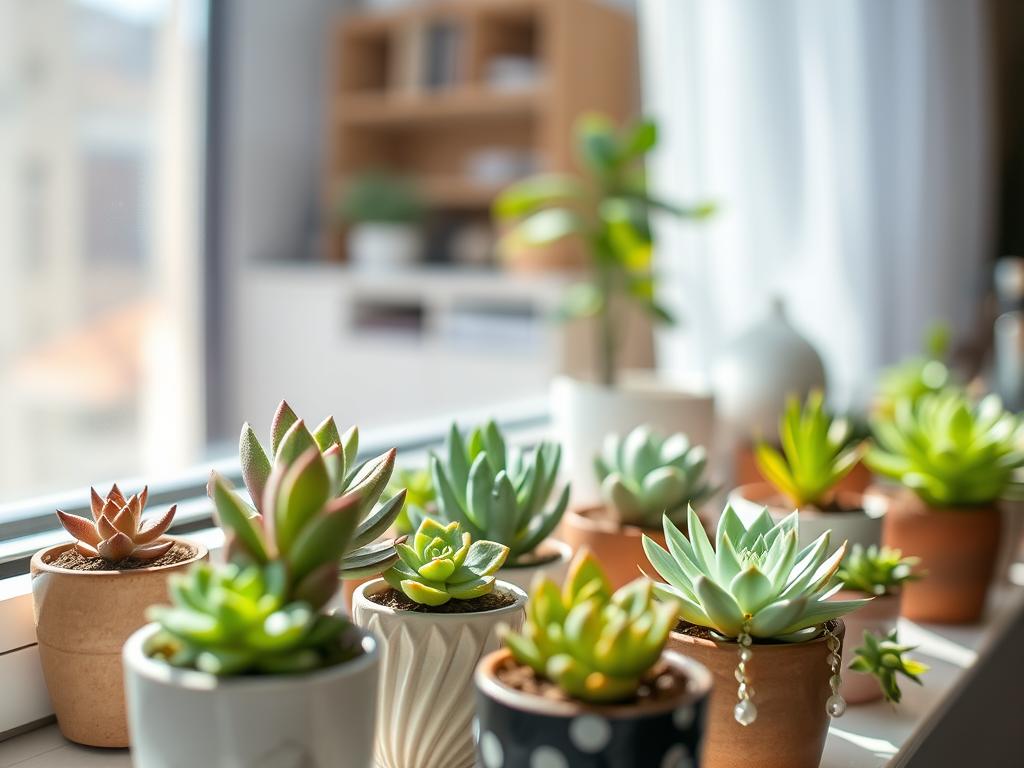
Essential Indoor Succulent Care Tips
To keep your indoor succulents thriving, it’s key to know their specific care needs. Succulents are known for being hardy and low maintenance. But, they still need attention to detail to grow well.
Watering Schedule and Techniques
Watering is crucial for indoor succulent care. Overwatering can cause root rot. Water your succulents sparingly, letting the soil dry completely between waterings. The watering frequency changes with the season; they need more water in spring and summer and less in fall and winter.
Soil and Fertilizer Requirements
Succulents need well-draining soil to avoid waterlogged conditions. Use a potting mix made for cacti and succulents. Fertilize sparingly in the growing season with a balanced, water-soluble fertilizer. Dilute the fertilizer to half the recommended strength to avoid harming the roots.
Dealing with Common Pests and Problems
Regularly check your succulents for pests like mealybugs, spider mites, and scale. Isolate infected plants to stop the problem from spreading. Use insecticidal soap or neem oil to treat infestations. Soft, mushy stems often mean overwatering, while brown tips can indicate underwatering or too much sunlight.
Seasonal Care Adjustments
Adjust your care routine with the seasons. In winter, water less and keep succulents in a cooler, brighter spot. In summer, they may need more water and protection from strong sunlight.
By following these essential care tips, you can enjoy healthy, thriving indoor succulents. They will add beauty and life to your home.
Choosing the Right Succulents for Specific Indoor Locations
Succulents can grow well in many indoor places, like bathrooms and bedrooms. Each spot has its own special needs for plants. By picking the right succulents, your plants will stay healthy and look great.
Succulents for Bathrooms and High-Humidity Areas
Bathrooms are usually more humid than other rooms. This makes them perfect for succulents that like moist air. Here are some great picks:
- Tillandsia species, which love humid air.
- Aloe vera, great for air purification and humid conditions.
- Ferraria species, thrive in humid places and bloom brightly.
Best Varieties for Office Desks
Offices often have little light and changing temperatures. Succulents that are easy to care for and can handle these conditions are best. Here are some favorites:
- Snake Plant (Sansevieria trifasciata), cleans the air and does well in low light.
- ZZ Plant (Zamioculcas zamiifolia), easy to care for and can survive neglect.
- Haworthia species, small, easy to care for, and do well in low light.
Kitchen-Friendly Succulent Options
Kitchens are warm and have changing light. Succulents that are small and can handle warmth are good for kitchens. Here are some options:
- Echeveria species, small and colorful.
- Sedum species, diverse and warm-loving.
- Crassula species, like the Jade Plant, popular for kitchens.
Bedroom Succulents for Better Sleep
Bedrooms can benefit from succulents that are calming and clean the air. Some succulents that help create a peaceful sleep environment are:
- Lavender, calming and air-purifying.
- Snake Plant, keeps air clean even at night.
- Aloe vera, improves air quality and promotes relaxation.
Creative Indoor Succulent Arrangements
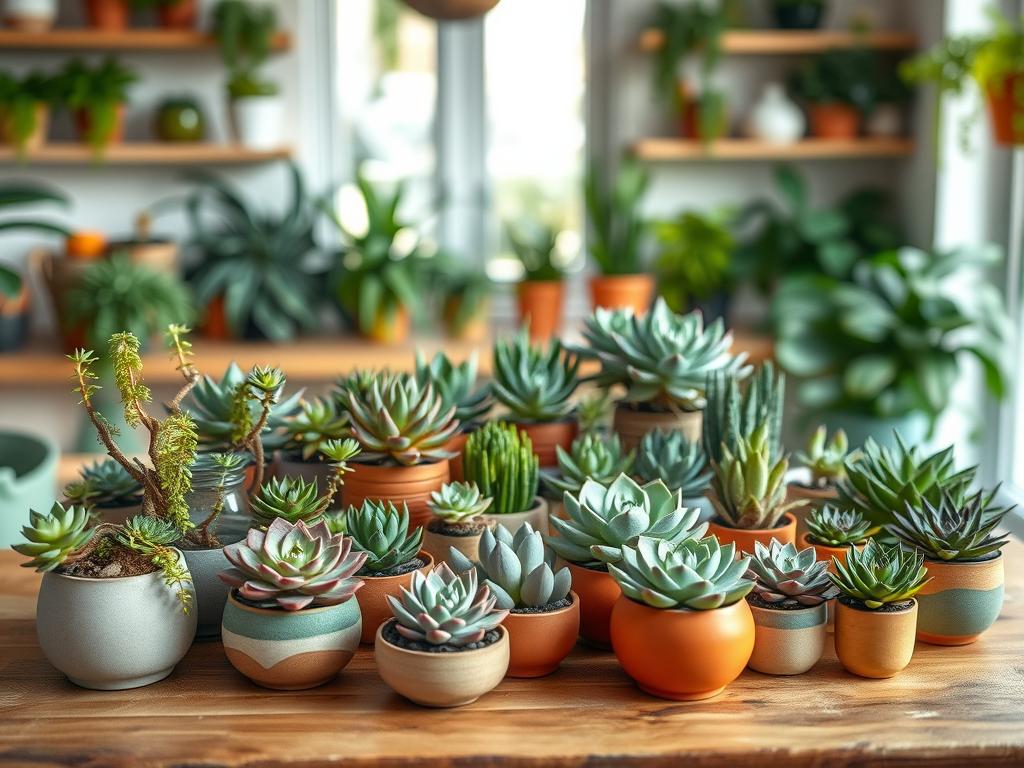
Creating indoor succulent arrangements is an art that combines beauty and functionality. By choosing the right succulents and display methods, you can enhance the aesthetic of any room. You also get to enjoy the benefits of having plants indoors.
Terrarium Ideas for Succulents
Terrariums are a great way to showcase succulents in a controlled environment. They come in various shapes and sizes, offering a unique way to display your plants. Glass containers are popular for terrariums because they let in lots of light.
Wall-Mounted Succulent Displays
Wall-mounted succulent displays are perfect for those with limited floor space. They can be simple frames or complex living walls, adding a dramatic visual impact.
Mixed Succulent Container Gardens
Combining different succulent species in one container creates a visually interesting display. This approach lets you mix textures, colors, and shapes, making for a dynamic indoor garden.
Hanging Succulent Displays
Hanging baskets or containers with succulents can add a decorative element to any room. They work well in areas with high ceilings or near windows.
Gardening expert says, “Succulents are not just plants; they’re a design element that can transform your indoor space.” With these creative ideas, you can start building your own unique indoor succulent arrangements.
Conclusion: Building Your Indoor Succulent Collection
Succulent houseplants are a great way to add greenery to your home. They come in many varieties, from those that thrive in low light to colorful and unique ones. This makes it easy to find the perfect fit for your space.
Learning about indoor succulents and picking the right ones can bring many benefits. These plants help purify the air and reduce stress. Whether you’re new to plants or have experience, adding succulents to your decor can be very rewarding.
To start or grow your succulent collection, try different displays like terrariums or hanging plants. This adds beauty to your space. For more ideas and tips, check out websites like this. They offer inspiration and advice on caring for your succulents.
FAQ
What are the best types of succulents for indoors?
For indoors, consider low-maintenance succulents like Haworthia, Snake Plant, and ZZ Plant. Also, colorful options such as Echeveria and Sedum are great.
How often should I water my indoor succulents?
Watering frequency varies by succulent type, climate, and season. Generally, water when the soil feels dry, about every 7-10 days in summer and less in winter.
What kind of light do indoor succulents need?
Most succulents need bright, indirect light. Some can handle low light. Always check the specific light needs of your succulent.
Can I use regular potting soil for my indoor succulents?
No, regular potting soil holds too much water, which can rot succulent roots. Use a cactus or succulent mix instead.
How do I propagate indoor succulents?
Succulents can be propagated through leaf or stem cuttings, division, or offsets. Find the right method for your succulent variety.
Are indoor succulents prone to pests?
Yes, succulents can get pests like mealybugs, spider mites, and scale. Regularly check your plants and treat any infestations quickly.
Can I keep indoor succulents in the bathroom or kitchen?
Yes, some succulents do well in bathrooms and kitchens. Choose varieties that handle high humidity and temperatures. Make sure they meet your succulent’s needs.
How do I create a succulent arrangement?
Pick succulents with different textures and shapes for your arrangement. Use a container or terrarium. Think about light, temperature, and watering needs when picking plants.